
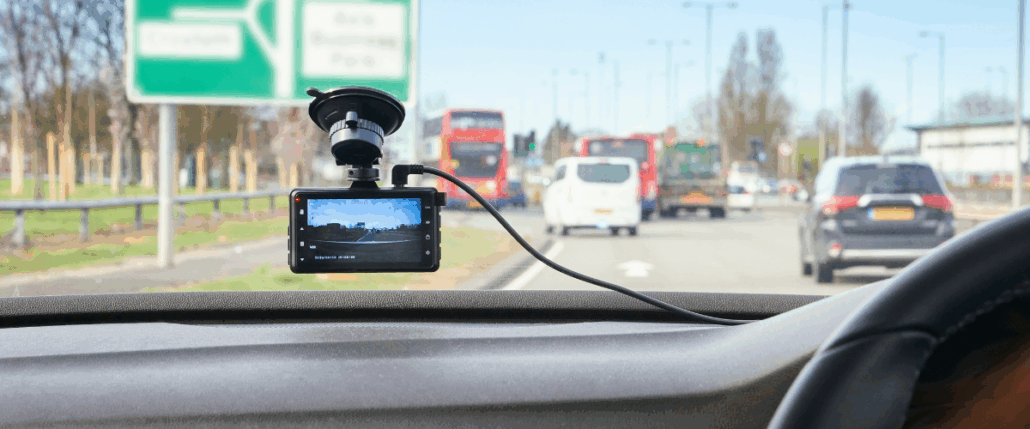
The Role of Dashcam Footage in Proving Fault in an Alabama Car Crash
The squeal of tires, the crunch of metal, and the sudden, jarring impact of a collision happen in a fraction of a second. When the dust settles on an Alabama highway, the confusion often begins. You know the other driver ran that red light on Opelika Road or drifted into your lane on I-85, but they are already telling the responding officer a different story. In the past, this scenario often dissolved into a frustrating “he-said-she-said” dispute where the truth was lost in conflicting testimonies.
Today, technology offers a solution that human memory cannot match. Dashcams have evolved from luxury gadgets into essential tools for driver protection. These devices serve as objective observers, capturing the seconds leading up to a crash with digital precision. For residents of Alabama, where traffic laws are particularly unforgiving regarding fault, this video evidence often serves as the difference between a fair settlement and a denied claim.
Having a recording of the incident does more than just show what happened. It fundamentally shifts the power dynamic during insurance negotiations and legal proceedings. When you strip away the ambiguity of an accident, you force insurance adjusters and opposing counsel to deal with facts rather than interpretations.
Legal Admissibility of Dashcam Video in Alabama Courts
A common question we hear involves whether a personal recording allows for use in a court of law. The answer is generally yes, provided the footage meets specific legal standards for evidence. Alabama courts typically welcome video evidence because it provides a clear, contemporaneous record of the event. However, simply having the file on an SD card does not automatically make it admissible.
To introduce dashcam footage into evidence, it must be authenticated. This process usually requires the person who recorded the video—you—to testify that the footage is a true and accurate depiction of the events as they occurred. You must establish that the video has not been altered, edited, or manipulated in any way.
The chain of custody also plays a vital role. From the moment the accident occurs until the moment the video is presented to a jury or judge, you must be able to account for who held the footage and where it was stored. If an opposing attorney can suggest that the file was tampered with or that sections were deleted, the court may exclude the evidence entirely. Preserving the original, unedited file is the most important step you can take to ensure its admissibility.
Defeating the Contributory Negligence Defense
Alabama is one of the few remaining states that adheres to the doctrine of pure contributory negligence. This legal rule is harsh. It states that if an injured party is found to be even one percent at fault for an accident, they are barred from recovering any compensation whatsoever. If a driver runs a stop sign and hits you, but an insurance investigation determines you were speeding by five miles per hour, your entire claim could vanish.
This is where dashcam footage becomes indispensable. In many accidents, the at-fault driver’s insurance company will aggressively hunt for that one percent of blame to assign to you. They may argue you drifted slightly out of your lane, failed to use a turn signal, or reacted too slowly. Without video evidence, these arguments often stick because they rely on subjective interpretation or a lack of contradictory proof.
High-definition video acts as a shield against these tactics. It can definitively prove that you maintained your lane, that your light was green, and that you had no time to avoid the collision. By providing visual proof of your driving behavior, you dismantle the foundation of the contributory negligence defense. When an adjuster sees clear video showing you operating your vehicle lawfully, their leverage to deny your claim based on shared fault evaporates.
Impact on Insurance Negotiations
Insurance adjusters are trained to minimize payouts. Their primary goal is to protect the financial interests of their company. When an accident relies solely on witness statements and police reports, adjusters have significant wiggle room to dispute liability or drag out the claims process. They might assert that the accident dynamics were different than you described or that their policyholder had the right of way.
Presenting dashcam footage early in the claims process changes the negotiation landscape. It removes the ambiguity that adjusters often use to justify lowball offers or denials. When an adjuster views clear footage of their insured driver texting, swerving, or violating traffic laws, the conversation shifts from “who is at fault” to “how much is the claim worth.”
Furthermore, video evidence can expedite the timeline of a case. Disputes over liability are the primary cause of delays in personal injury settlements. When the evidence is incontrovertible, liability decisions that might typically take months can sometimes be resolved in days. This efficiency helps injured victims secure necessary medical care and vehicle repairs without prolonged financial uncertainty.
What to Do Immediately After Recording a Crash
If your dashcam captures an accident, your actions in the minutes and hours following the crash are significant. The adrenaline and stress of the situation can make it difficult to think clearly, but taking specific steps ensures your evidence remains valid and useful.
- Secure the Footage: Most modern dashcams record on a loop, writing over old footage once the memory card is full. Immediately stop the recording or remove the memory card to prevent the accident footage from being overwritten.
- Do Not Edit: Never attempt to trim, enhance, or alter the video file yourself. Even well-intentioned editing to “zoom in” or “cut out the boring parts” can look like evidence tampering to a court. Keep the raw file exactly as the camera recorded it.
- Backup the File: As soon as you are able, create multiple digital copies of the footage. Save it to a computer, a cloud service, and an external hard drive. SD cards are small and easily lost or damaged.
- Inform Your Attorney First: Before sending the video to any insurance company—including your own—review it with a qualified attorney. A legal professional can analyze the footage to ensure it supports your account and does not inadvertently reveal issues you missed.
The Double-Edged Sword: When Footage Hurts Your Case
Dashcams are objective; they do not take sides. While they often exonerate prudent drivers, they also record your own errors. If you were speeding, rolling through a stop sign, or distracted at the moment of impact, your own camera will document those failures just as clearly as it documents the other driver’s negligence.
In Alabama, this presents a significant risk due to the contributory negligence rule mentioned earlier. If your video shows you muttering about a text message or looking away from the road seconds before the crash, that footage could potentially destroy your claim.
However, you must never destroy evidence. Deleting footage because it makes you look bad is known as “spoliation of evidence.” If a court finds that you intentionally destroyed relevant video, the consequences are severe. The judge may instruct the jury to assume the missing video showed you were at fault, or they may dismiss your case entirely. If you suspect your footage might be damaging, you need to consult with counsel immediately to discuss your legal obligations and options.
Types of Footage That Strengthen Claims
Not all dashcam video offers the same value. The quality and angle of the recording determine how useful it will be in building a case. While a standard front-facing camera is helpful, comprehensive systems provide a much clearer picture of the accident dynamics.
- Front-Facing Video: This is the standard view, capturing traffic lights, road signs, and the movement of vehicles ahead. It is excellent for establishing right-of-way violations and intersection crashes.
- Rear-Facing Video: Rear-end collisions are common, and the at-fault driver often claims the car in front stopped abruptly “for no reason.” Rear-facing cameras disprove this by showing the flow of traffic behind you and the approach of the striking vehicle.
- Interior (Cabin) View: These cameras record the driver and passengers. While some drivers feel this is invasive, it provides definitive proof that the driver was attentive, wearing a seatbelt, and not using a mobile device at the time of the crash.
- GPS and Speed Overlays: Many high-end cameras stamp the video with real-time speed and location data. While useful, this can backfire if your speedometer was reading even slightly above the limit. Accuracy is paramount here.
Privacy Laws and Audio Recording in Alabama
Dashcams record more than just video; they also capture audio inside the vehicle. This includes conversations with passengers, phone calls, and your own reactions to the crash. In Alabama, the legality of these recordings depends on consent laws.
Alabama is a “one-party consent” state for audio recording. This means that as long as one person involved in the conversation consents to the recording, it is legal. Since you are the driver and the owner of the dashcam, your consent is usually sufficient to make the recording legal, even if your passengers are unaware they are being recorded.
However, this changes if you leave the car and the camera continues to record audio of people when you are not present. For example, if you step out of the vehicle and the camera records a private conversation between the police officer and the other driver, that audio might be inadmissible or illegal. Awareness of these privacy boundaries ensures that the evidence you gather remains usable in court.
How an Attorney Utilizes Video Evidence
Possessing the video is only step one. Utilizing it effectively to prove fault requires legal skill and often technical expertise. An attorney does not just press play; they integrate the video into a broader reconstruction of the accident.
We often work with forensic experts who can analyze video frame-by-frame. They can calculate the precise speed of vehicles based on fixed objects in the background, determine braking distances, and verify traffic light timing. This scientific analysis turns a simple video into a comprehensive data set that is difficult for insurance companies to refute.
Furthermore, an attorney ensures the video is presented in the right context. We use it to corroborate witness testimony and physical evidence, such as skid marks or vehicle damage patterns. By weaving the video into the total narrative of the crash, we build a compelling argument for full compensation that protects you against unfair blame.
Protecting Your Rights After a Collision
The aftermath of a motor vehicle accident involves complex legal challenges, especially when liability is contested. While dashcam footage is a powerful tool, it is most effective when placed in the hands of experienced legal professionals who know how to navigate Alabama’s specific statutes and courtroom procedures. At Haygood, Cleveland, Pierce, Thompson & Short, LLP, we have deep experience in utilizing modern technology and forensic evidence to substantiate our clients’ claims. We know how to counter the strategies used by insurers and ensure the true story of your accident is told.
Contact us today at (334) 821-3892 to schedule a consultation. We are ready to review your case, examine your evidence, and help you move forward toward the compensation you need to recover.










Leave a Reply
Want to join the discussion?Feel free to contribute!